| |

|
| |
| ENGLAND |
| |
| Nurses to benefit from boost to graduate pay and job progression |
| |
| |
| |
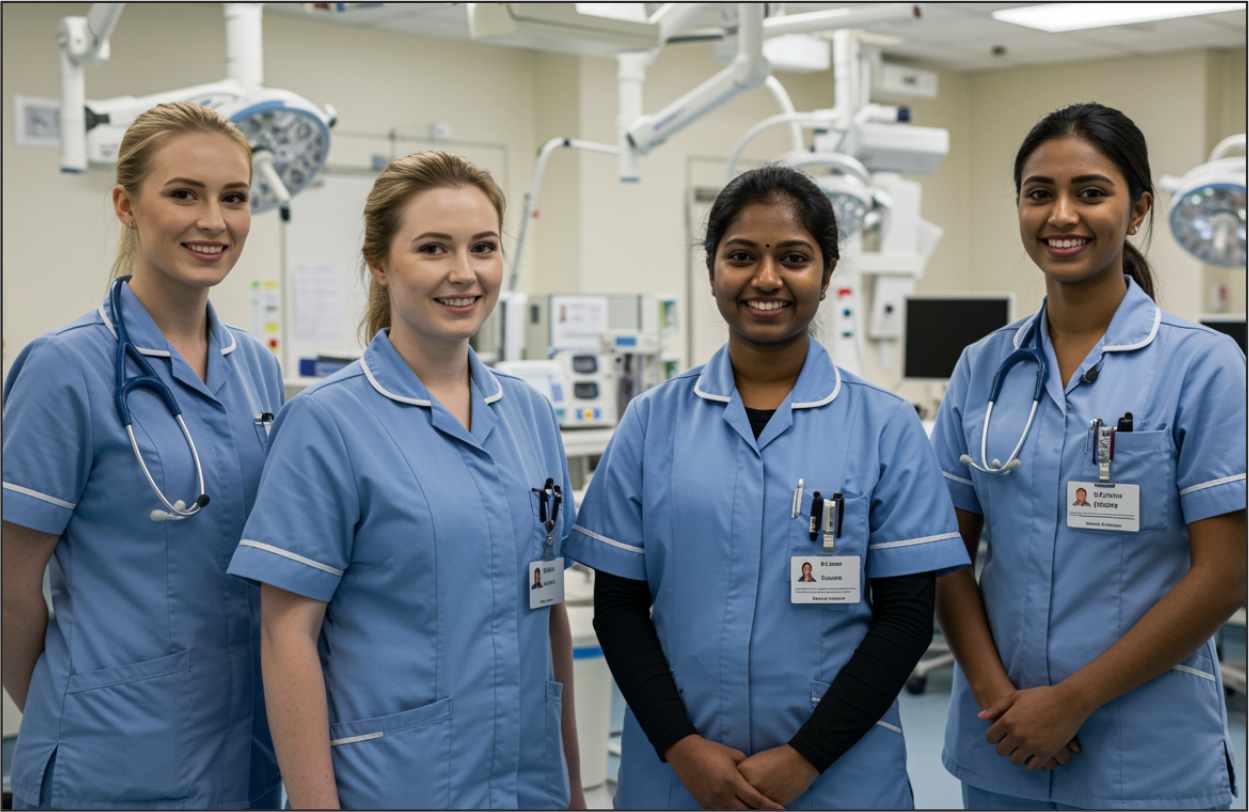
| NHS nurses are set to receive a career boost, as the government and the Royal College of Nursing (RCN) have agreed on a major package to properly recognize the vital work they do. |
| |
| Nursing and nurses are essential to leading and delivering the government's "10 Year Health Plan for England". They are critical for patient safety, experience, and outcomes, but the profession has been undervalued in the NHS for far too long. Too many nurses are not being compensated appropriately for the work they do, and there is currently no universal preceptorship program in place for new graduate nurses. |
| |
| Following engagement with all nursing unions, including UNISON, Unite, and GMB, and a dedicated period of intensive engagement with RCN - the biggest nursing union - the government has agreed to a series of measures which will transform the nursing profession and make sure that nurses get the pay and support they deserve. |
| |
This includes:
• prioritizing increasing graduate pay.
• reviewing the roles and pay bands of every band 5 nurse.
• establishing a single national nursing preceptorship to create a national framework to support newly qualified nurses. |
| |
| The government will also review evidence to determine whether further action is needed to make sure all nurses are being paid fairly. |
| |
| Source: GOV. UK |
|
|
| INDIA |
| |
| India's nursing talent heads abroad amid low pay, high global demand |
| |
| |
| |
| India trains nearly 400,000 nurses annually, more than any other country. Yet a significant portion of them move abroad. About 640,000 Indian nurses are currently employed in foreign countries, ranking India second only to the Philippines in nurse migration. |
| In Gulf nations, salaries can be three to five times higher, while nurses in North America and Europe may earn up to 10 times more. |
| Government nursing jobs in India pay significantly better than private sector roles, but vacancies are limited and highly competitive. |
| Low pay and demanding working conditions for over a decade have created a storm, pushing many Indian nurses to look abroad. |
| Nevertheless, not all nursing students are looking to leave. Whether at home or abroad, Indian nurses continue to form the backbone of both domestic and global healthcare systems – answering a calling that millions depend on for survival and care. |
| Source: Channel News Asia (CNA) |
|

|
|
|
|
|
| CANADA |
| |
| Immigration changes aim to strengthen Canada's nursing workforce |
| |
| |
| |
| A February 2026 Reuters report highlights how Canada is strengthening its healthcare workforce, including nurses, through new immigration policies. |
| |
| Canada introduced new immigration priority categories to bring in skilled workers in fields ranging from research and health care to aviation, and to include certain military recruits. The government said the shift was aimed at restoring immigration to sustainable levels while finding workers for key industries. The new categories include researchers, senior managers, transport-sector workers such as pilots and aircraft mechanics, and foreign medical doctors with Canadian experience. They will also include highly skilled foreign military applicants recruited by the Canadian Armed Forces, including military doctors, nurses, and pilots. |
| |
| Invitation rounds in existing Express Entry categories, including French-language candidates, health-care workers, and skilled trades, will continue alongside the new targeted streams. |
| |
| Source: Reuters |
| PHILIPPINES |
| |
| The evolving role of public health nurses in the Philippines |
| |
| |
| |
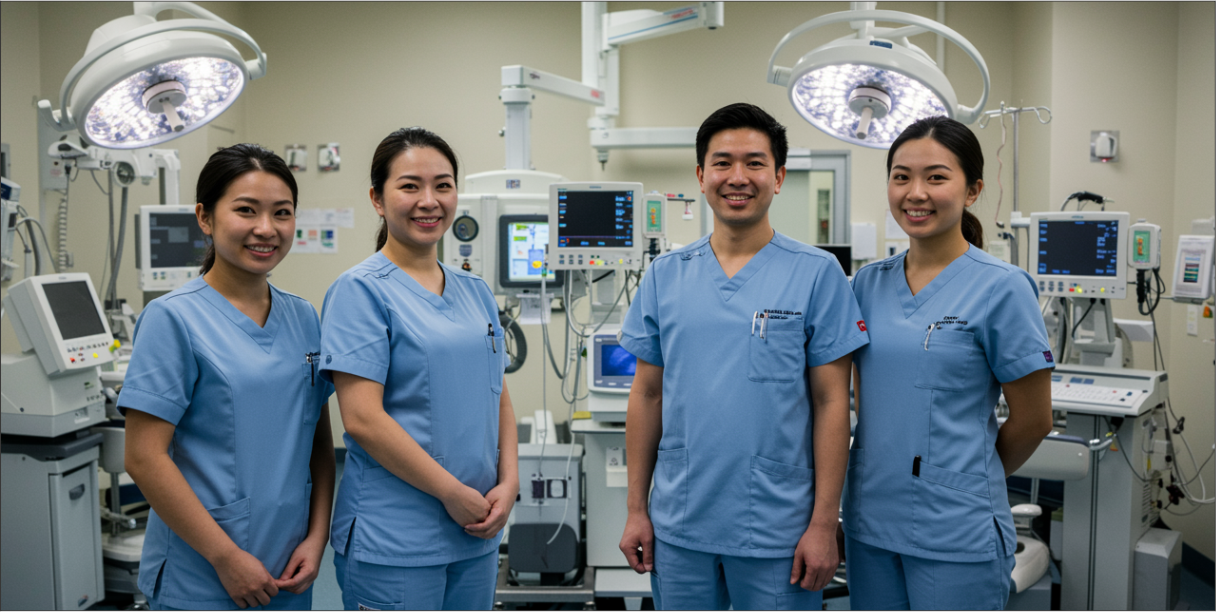
| Public health nursing in the Philippines has long been at the intersection of service, advocacy, and system transformation. The role of public health nurses has become increasingly critical in advancing universal health care and primary health care. Positioned at the frontlines of communities, they provide direct care and lead in health promotion, policy implementation, and community empowerment. |
| |
| Yet, despite their vital contributions, the profession faces enduring challenges in workforce distribution, recognition, and support. Public health nurses in Vietnam receive nearly 57 percent more than their Philippine counterparts, while Thailand gives over 100 percent more. This wage disparity fuels migration and undermines morale and retention within the local health care system. |
| |
| Discussions are moving toward institutionalizing advanced practice roles for public health nurses to empower them to elevate primary care, manage community health programs, and spearhead groundbreaking innovations in health care delivery. |
| |
| Source: Manila Times |
|
|
|
TESTIMONIALS
|
 |
| |
| “The individualized focus and unwavering support from INSCOL exceeded all my expectations. The level of dedication and personalized care I received from INSCOL is truly rare. I highly recommend their services to any student looking for honest, professional, and reliable overseas education consultancy.” |
| |
| Sandra Sam |
Kerala, India
Coronary Care Nursing
Seneca Polytechnic, Canada
May'26 intake |
|
 |
| |
| “I am truly grateful to INSCOL for assisting me with my student visa application from the beginning. From guiding me while I was gathering documents, providing valuable insights on what to do, patiently answering all my questions, and finalizing everything through to submission, their support was exceptional.” |
| |
| Ana Marie Chriziel Daliva Develos |
Saudi Arabia, UAE
Nursing Leadership & Management
Seneca Polytechnic, Canada
May'26 intake |
|
 |
| |
| “When I first contacted INSCOL, I wasn't even sure I would go ahead with their services, yet here we are. The process was smooth overall, with only a few delays along the way. Thank you for your guidance, your support, and for helping me turn this dream into reality.” |
| |
| Oreoluwa Rebecca Oladunjoye |
Nigeria
Nursing Leadership & Management
Seneca Polytechnic, Canada
Jan'26 intake |
|
|
|
|
|
|
TESTIMONIALS
|
 |
| |
| “Navigating such a process without proper guidance can feel overwhelming, but INSCOL ensured I had support at every stage, making the journey smooth and manageable. I am especially grateful for the beginner's scholarship they secured for me an opportunity I deeply appreciate.” |
| |
| Joan Wachu Murima |
Kenya
Chronic Disease Management
Seneca Polytechnic, Canada
Jan'26 intake |
|
 |
| |
| “I am deeply grateful to the entire INSCOL team for their professionalism, patience, consistent communication, and sincere care for their students. I would confidently recommend INSCOL to other nurses who aspire to further their education and professional growth abroad.” |
| |
| Philip Nyasha Katsande |
Zimbabwe
Nursing in Canada - Transition for Internationally Educated Nurses
Seneca Polytechnic, Canada
Jan'26 intake |
|
 |
| |
| “I am absolutely thrilled to share my wonderful experience with INSCOL and would highly recommend their services to anyone looking to further their nursing career in Canada. The journey to studying abroad can be overwhelming, but INSCOL's services streamlined every single step of the process.” |
| |
| Brenda Chenai Senzere |
Hungary
Nursing in Canada - Transition for Internationally Educated Nurses
Seneca Polytechnic, Canada
Jan'26 intake |
|
 |
| |
| “I got my student visa within just a month of applying through INSCOL, and I'm really satisfied with their service! What I liked the most about team INSCOL is their transparency. I truly recommend INSCOL to anyone planning to study abroad, especially for nursing-related programs.” |
| |
| Sandeep Kaur |
Chandigarh, India
Coronary Care Nursing
Seneca Polytechnic, Canada
Jan'26 intake |
|
2,000
new nursing apprenticeships to be created over 3 years under England's 10-year health plan
|
|
Source: Department of Health & Social Care UK
|
|
|
640,000
Indian nurses were working abroad worldwide as of 2025, making India one of the largest global suppliers of nursing talent.
|
|
Source: The Guardian
|
|
|
300,000-350,000
Filipino nurses work abroad, while the Philippines faces a domestic shortage of around 160,000 nurses.
|
|
Source: Department of Health, Philippines
|
|
| |
14
nurses per 10,000 people was the average nurse-to-population ratio in the WHO African Region in 2023.
|
|
Source: WHO
|
|
|
250,000-300,000
Indian nurses secured jobs overseas between 2020 and 2025.
|
|
Source: The Economic Times
|
|
|
46.6%
of New Zealand nurses in 2025 were foreign trained nurses.
|
|
Source: Nursing Council of New Zealand
|
|
|
|
|

Feb 21, 2026: INSCOL nurses at the Convocation ceremony at Seneca Polytechnic, celebrating their academic achievements and the onset of a world of opportunities waiting for them.
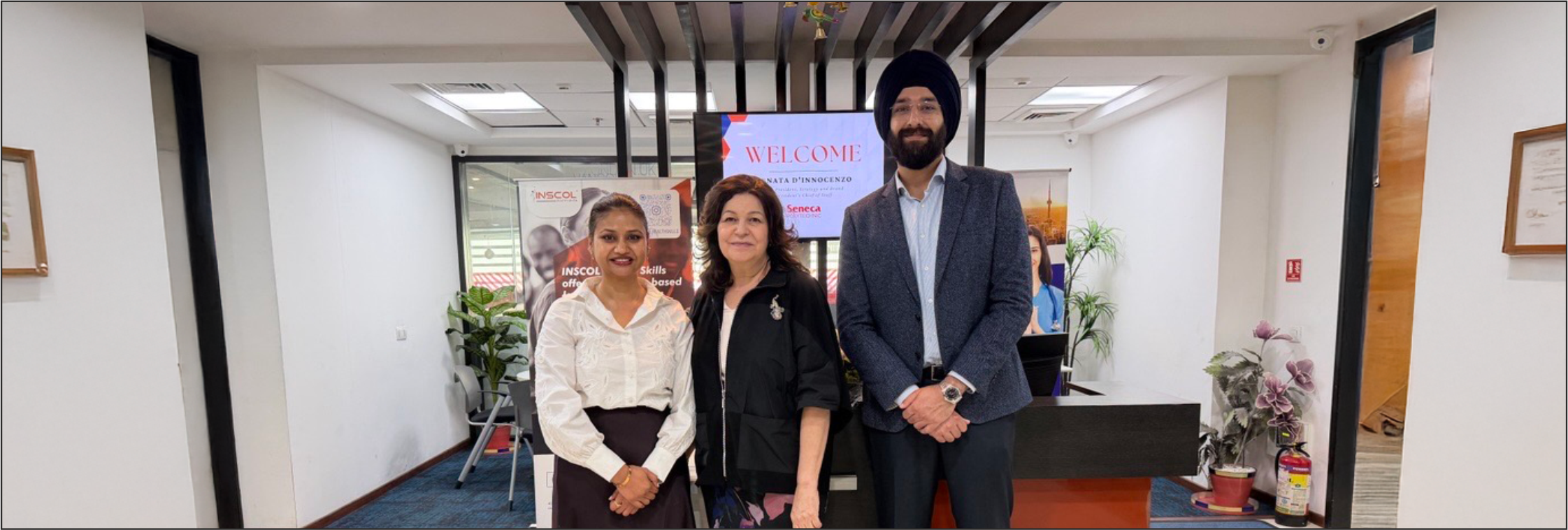
Mar 11, 2026: INSCOL Chandigarh welcomed Renata D'Innocenzo, Vice President, Strategy & Brand, President's Chief of Staff from Seneca Polytechnic, for a focused interaction at INSCOL. The discussions centered on strengthening academic pathways and expanding meaningful opportunities for nurses aspiring to build global careers, reinforcing the shared commitment to supporting future Global Nurses.
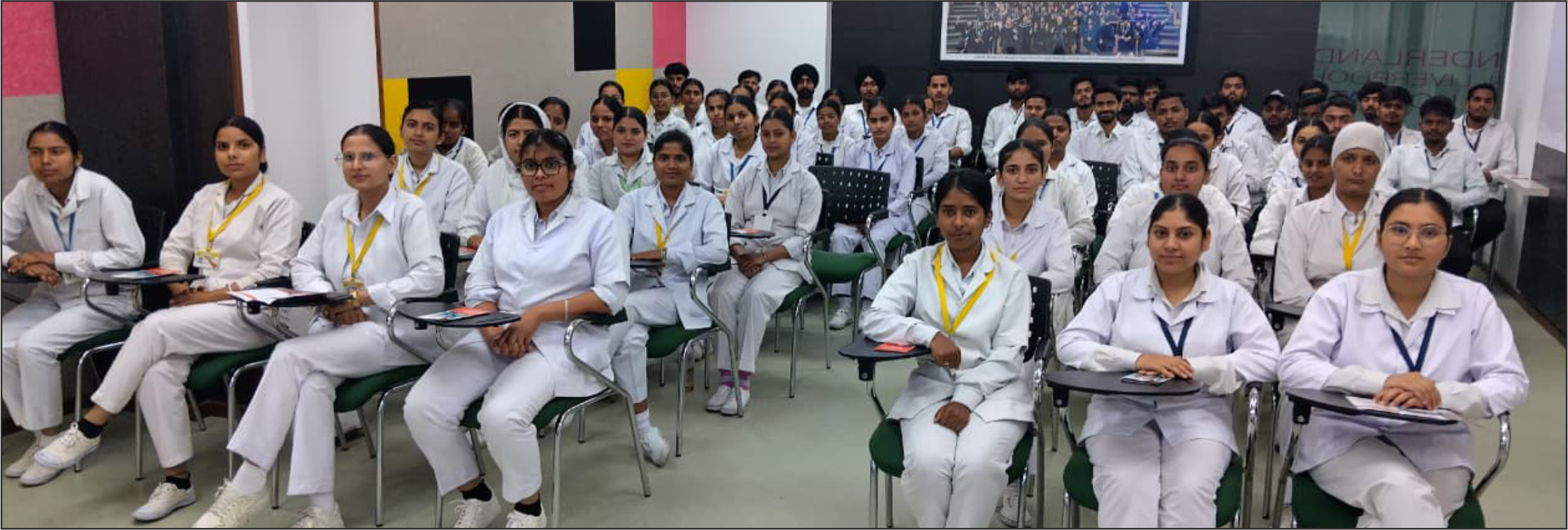
Mar 27, 2026: A glimpse into Admission Day at the Niagara College Experience Centre in Chandigarh. Gayatri Kochak, Administrative & Global Business Development Officer - South Asia at Niagara College, interacted with aspiring global nurses and guided them through specialized nursing programs offered at the college.
|
|
|
|
|
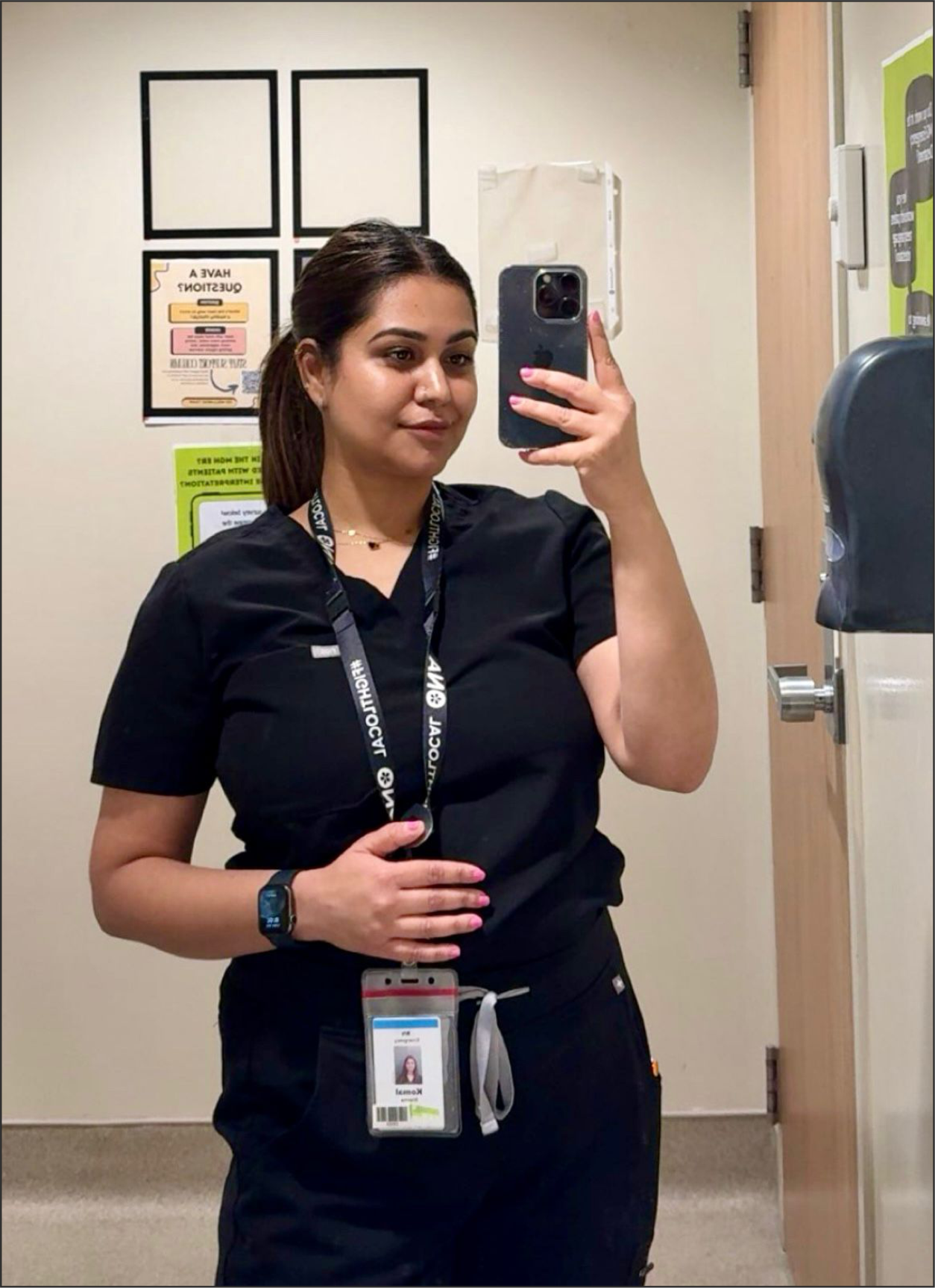
Komal Sharma’s Inspiring Nursing Journey from
Classroom in India to Emergency Care in Canada
|
|
| Q: Can you tell us about your journey from India to becoming a nursing student in Canada? |
| |
| My journey started in India, where I completed my nursing education and built a strong foundation in patient care. I always aspired to grow professionally and gain international exposure, which led me to Canada. |
| |
| The transition was not easy as I had to adapt to a new education system, culture, and healthcare environment. I pursued further studies in Canada to bridge my knowledge and align with the Canadian system. With time, consistency, and hard work, I successfully transitioned into working as a nurse in Ontario, which has been a highly rewarding experience. |
| |
| Q: Which programs did you study? |
| |
| I completed graduate certificate programs in Nursing Leadership & Management and Chronic Disease Management. These programs helped me develop leadership skills and deepen my clinical knowledge, both of which are essential in the Canadian healthcare system. |
| |
| Q: What was your first semester like, both academically and socially? |
| |
| My first semester was both exciting and challenging. Academically, the system here emphasized critical thinking, evidence-based practice, and active participation, which was different from what I was used to. Socially, it took some time to adjust, but I met supportive classmates from diverse backgrounds, which made the experience very enriching. |
|
|

|
|
| Q: How do Canadian nursing programs differ from those in India? |
| |
| |
| Canadian nursing programs focus more on practical learning, critical thinking, and patient-centered care. Clinical training is highly hands-on, with exposure to real-life scenarios, communication skills, and interdisciplinary teamwork. |
| |
| Compared to India, there is a stronger emphasis on independent decision-making and evidence-based practice. |
| |
| Q: How did you decide to choose INSCOL as your trusted education partner? |
| |
| I chose INSCOL for its strong expertise in guiding international nurses. Special thanks to Manpreet Sabharwal at INSCOL Canada, who provided clear guidance throughout the process, from selecting the right program at Seneca Polytechnic to supporting PR filing and documentation. INSCOL’s support made my transition smoother and less stressful. |
| |
|
|
|
| Q: Did you work part-time while studying? How did you balance it? |
| |
| Yes, I worked part-time in healthcare while studying. It was challenging, but I always prioritized my academics. I planned my shifts around classes and remained disciplined with my time. |
| |
| Q: How did your programs prepare you for licensure exams like the NCLEX-RN? |
| |
| My programs at Seneca focused heavily on clinical reasoning, case studies, and scenario-based learning, which helped prepare me for the NCLEX-RN. |
| |
| I also practiced using question banks like Archer and U World, and regularly revised key concepts, which helped build my confidence. |
| |
|
|
|
| Q: When did you receive your Permanent Residency, and how was the process? |
| |
| I received my Permanent Residency in April 2025 after completing my studies and gaining one year of work experience in Canada. |
| |
| The process required patience, proper documentation, and staying updated with immigration pathways. It was a long journey, but worth it. |
| |
| Q: What advice would you give to Indian students aspiring to become nurses in Canada? |
| |
| Stay focused and prepared to work hard. Strengthen your English communication skills and understand the Canadian healthcare system early on. |
| |
| Choose the right program, stay consistent, and most importantly, believe in yourself through the challenges. |
| |
| Q: Any final thoughts about your journey? |
| |
| This journey has been about much more than education and career. It has been about personal growth. Moving to a new country taught me resilience, independence, and adaptability. |
| |
| Every challenge helped me grow stronger, and today, working as an emergency registered nurse makes me proud of how far I have come. |
|
|
| |
|
|

|
|
|