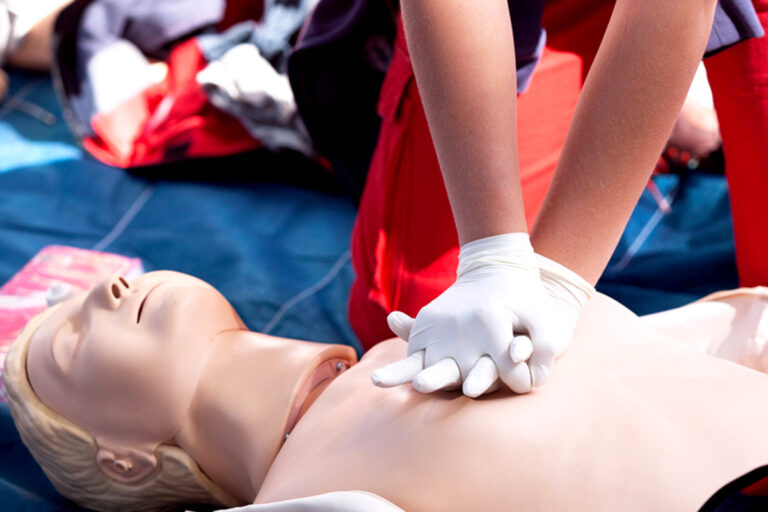
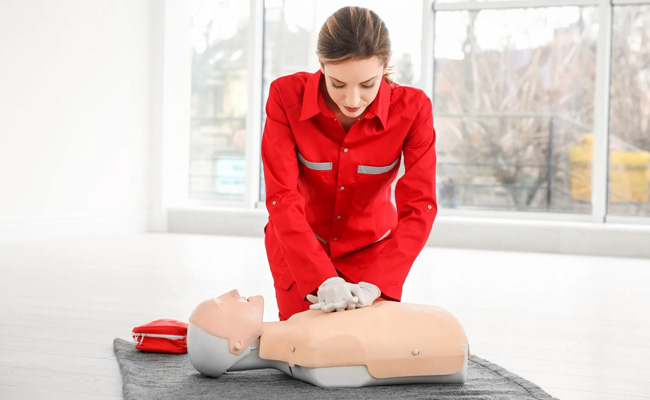
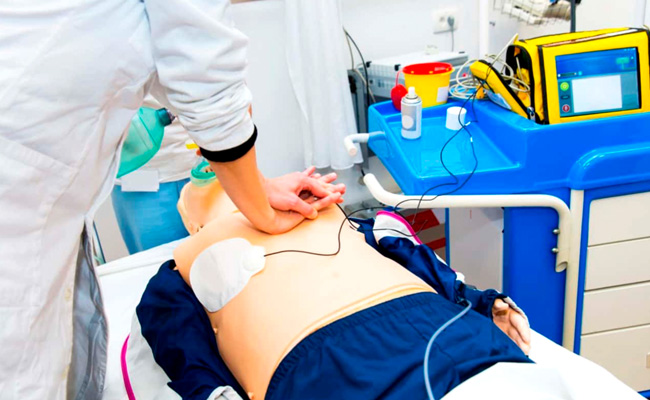
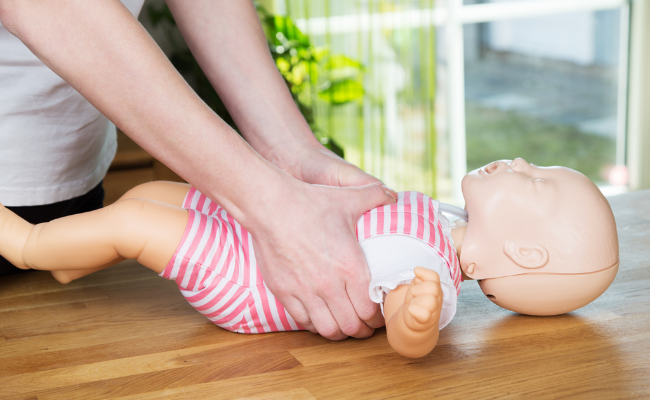
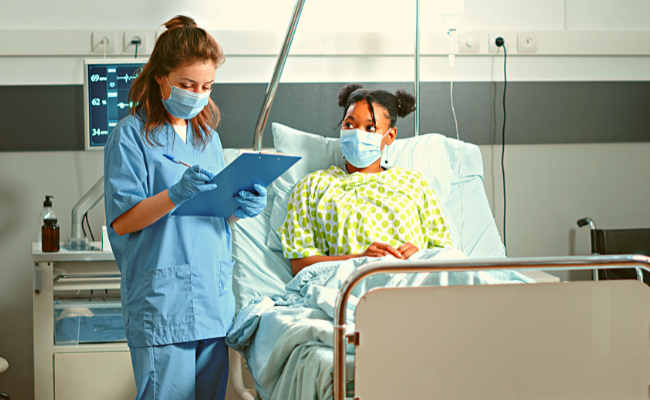
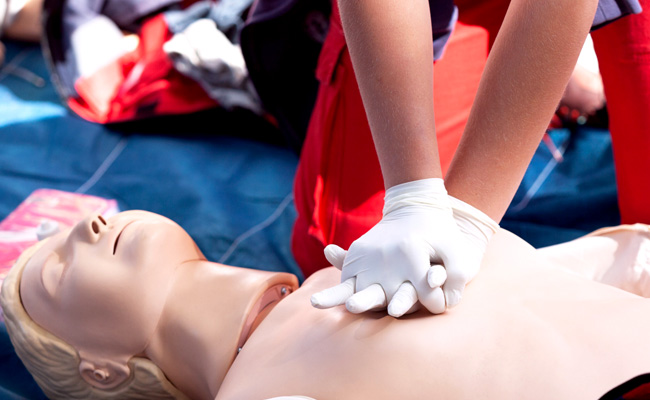
The AHA courses are designed to equip participants with the skills and confidence needed to respond effectively to a wide range of medical emergencies across different age groups. Participants are trained in essential life-saving techniques, including high-quality chest compressions, rescue breathing, use of automated external defibrillators (AEDs), and early recognition of cardiac and respiratory emergencies. The training also emphasizes critical thinking, teamwork, and rapid decision-making, enabling individuals to deliver timely and effective care in high-pressure situations. Upon successful completion, participants receive certification, demonstrating their competence and commitment to providing high-quality, life-saving support.
This course makes nurses learn by examining their experiences and interactions in the healthcare settings. By engaging in thoughtful self-reflection, nurses can identify areas for improvement, and enhance their overall practice.
This course allows nurses to explore real-life scenarios, gain insights into ethical theories and frameworks which enables them to make informed choices that align with patient values and best practices.
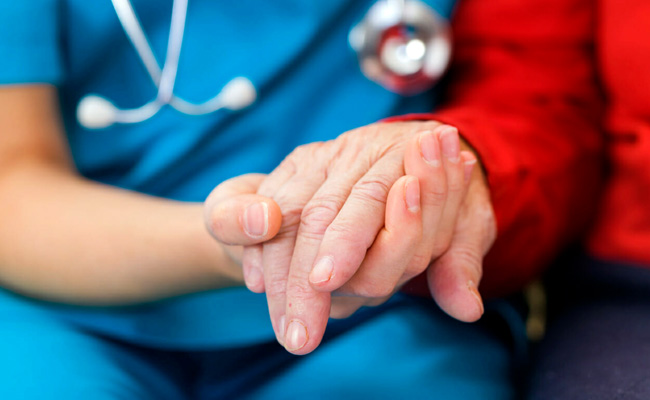
This course for nurses is an essential component for their professional development which equips them with the skills to establish meaningful connections with patients by fostering an environment of empathy and understanding.
This course in nursing has a critical skill set that emphasizes on effective collaboration and information sharing among healthcare team members. This training equips nurses to interact seamlessly with professionals, fostering a cohesive approach to patient care.
This course helps you gain insights into understanding dementia's impact on cognition and behavior, as well as strategies for communication, behavioral management, and creating a supportive environment.
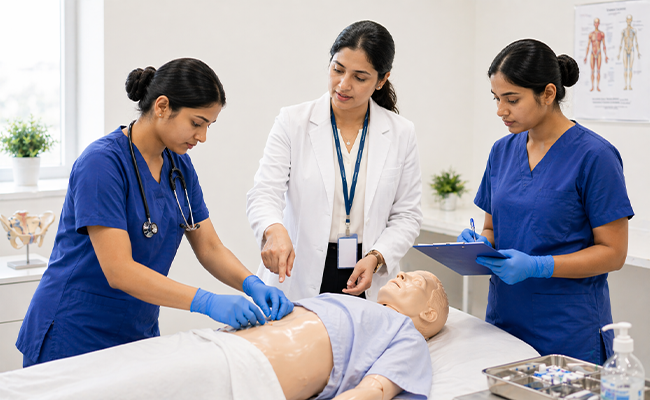
These workshops are designed to strengthen core clinical competencies required for safe, effective, and confident nursing practice across diverse healthcare settings. Participants gain hands-on experience in essential procedures, patient monitoring, and the application of clinical protocols, ensuring accuracy and adherence to best practices.
The training emphasizes critical thinking, timely clinical decision-making, and the ability to recognize and respond to patient deterioration in both general and high-dependency care environments. With a strong focus on infection prevention, patient safety, and collaborative team dynamics, these workshops prepare nurses to manage complex clinical situations with competence and confidence, delivering high-quality care when it matters most.
Soft skills form the foundation of excellent nursing practice, enabling nurses to deliver compassionate, patient-centered care. Through focused training, participants strengthen essential competencies such as empathy, effective communication, adaptability, problem-solving, teamwork, time management, and cultural awareness. These skills not only enhance patient interactions but also support seamless collaboration within healthcare teams. By continuously developing these capabilities, nurses are better equipped to navigate complex care environments, contributing to a more efficient, respectful, and high-quality healthcare system that positively impacts patients and their families.
These training modules, aligned with the standards set by the Indian Nursing Council, are designed to strengthen essential clinical competencies and ensure nurses are prepared for real-world healthcare settings. The workshops focus on building practical skills, reinforcing core nursing knowledge, and enhancing the ability to deliver safe, effective, and patient-centered care.
With an emphasis on hands-on learning, critical thinking, and evidence-based practices, participants are better equipped to respond to everyday clinical challenges and evolving patient needs. By meeting national regulatory requirements while prioritizing applied learning, these modules support nurses in delivering consistent, high-quality care across diverse healthcare environments.
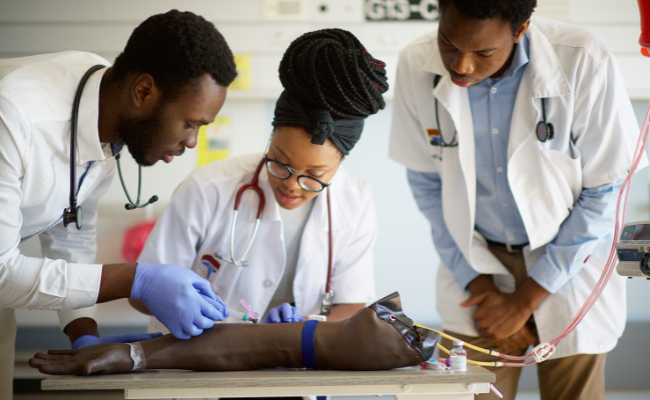
This course equips the healthcare professionals with the expertise needed to safely administer fluids, medications, and blood products through different types of IV catheters and proper insertion techniques.
This course is a crucial training that equips healthcare professionals, with the knowledge and skills to ensure safe and effective administration of medications, dosage calculations, and potential interactions or adverse effects.
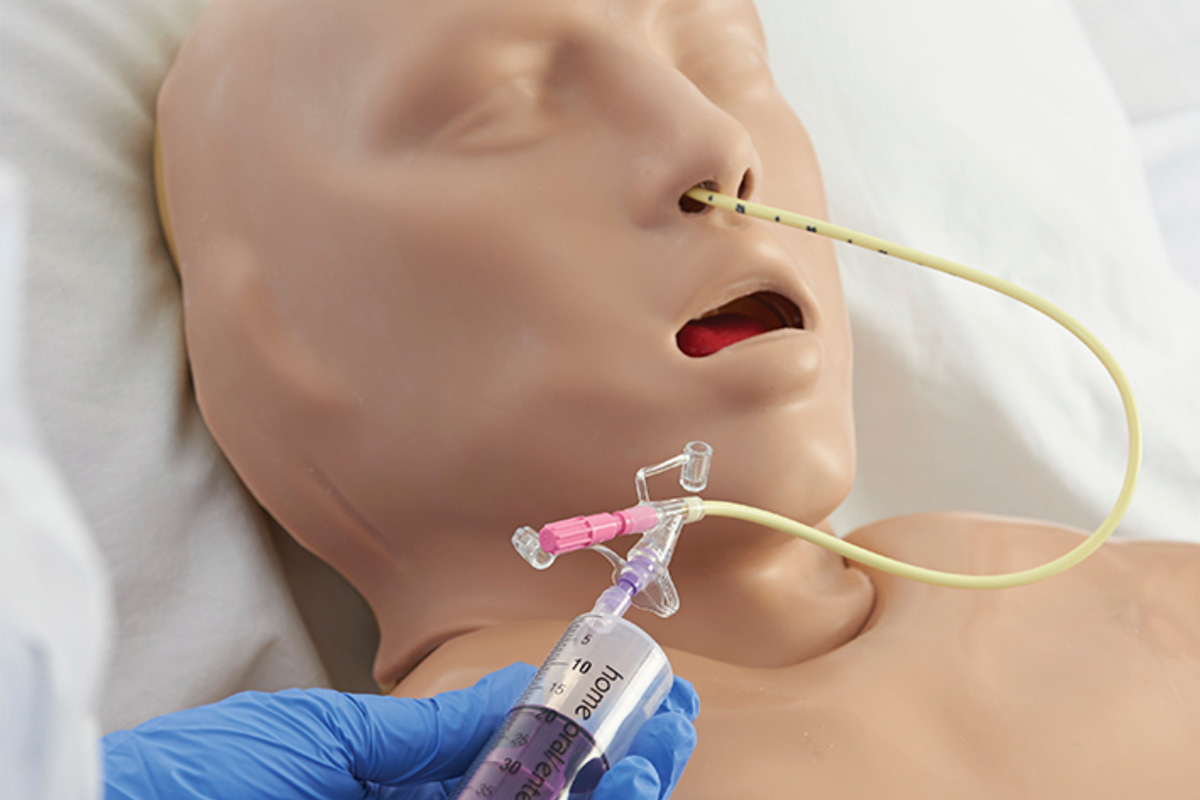
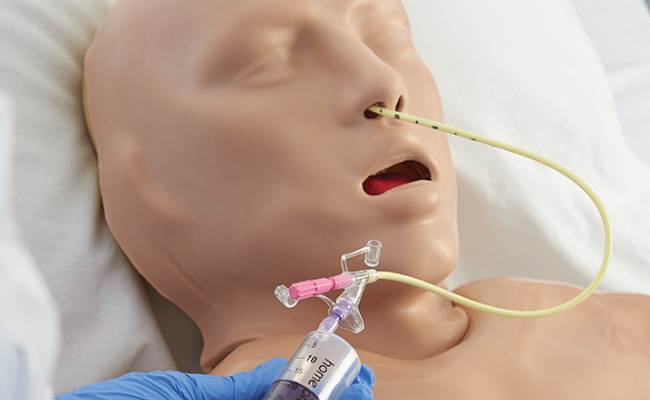
This course is designed to teach the correct techniques for inserting, securing, and verifying NG tube placement, as well as methods for administering medications and nutrition through these tubes.
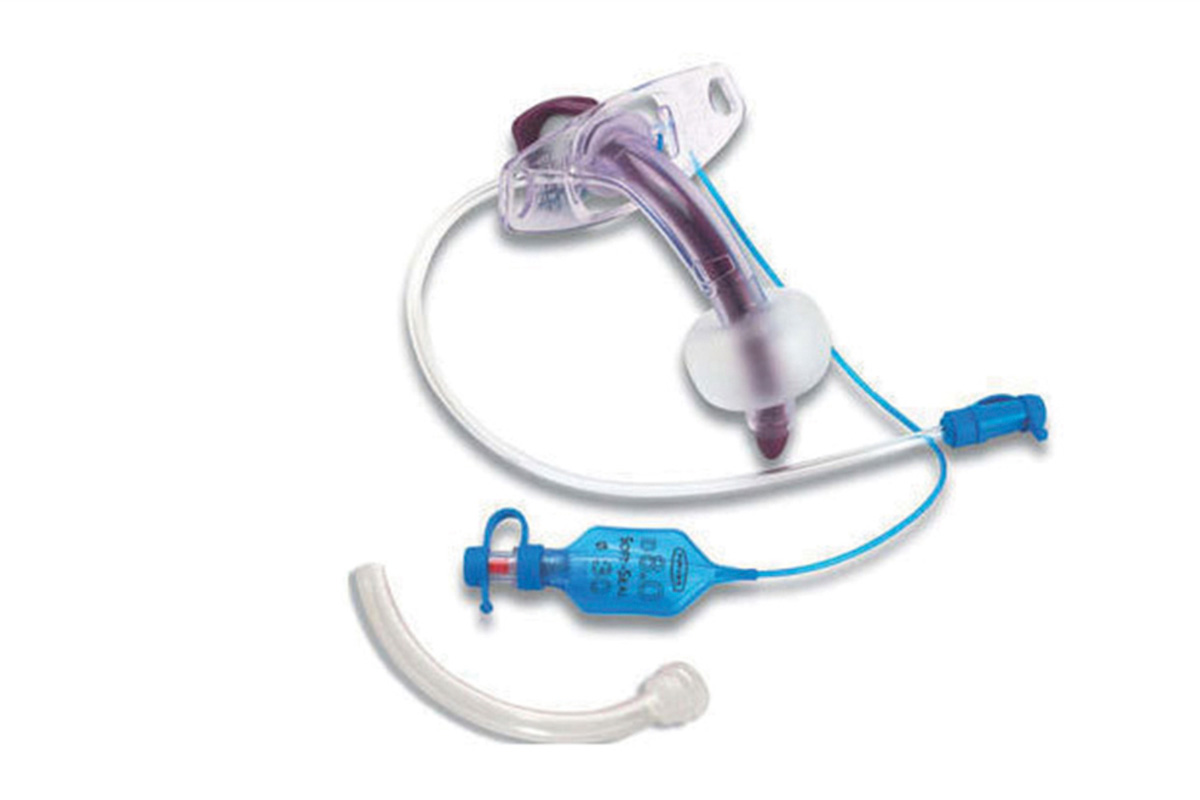
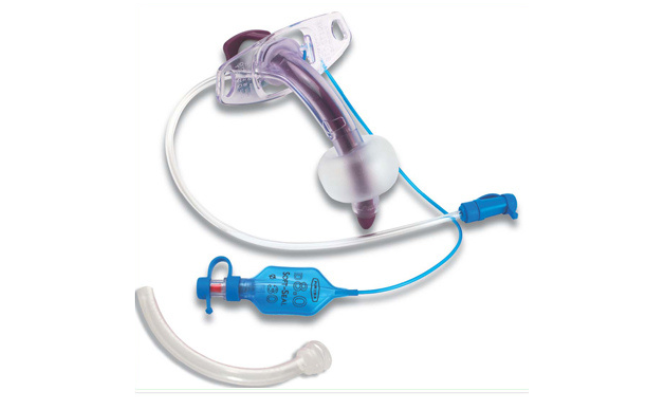
This course is a specialized training program designed to equip healthcare professionals, with the skills and knowledge to effectively manage patients with tracheostomies and provide proper suctioning care.
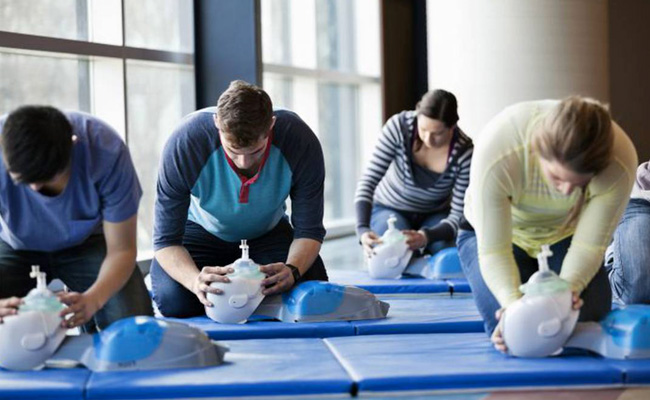
This course focuses on effective CPR (Cardiopulmonary Resuscitation) techniques, including chest compressions and rescue breaths during cardiac arrest. Proper use of AED (Automated External Defibrillator) to deliver controlled electric shocks is also taught.
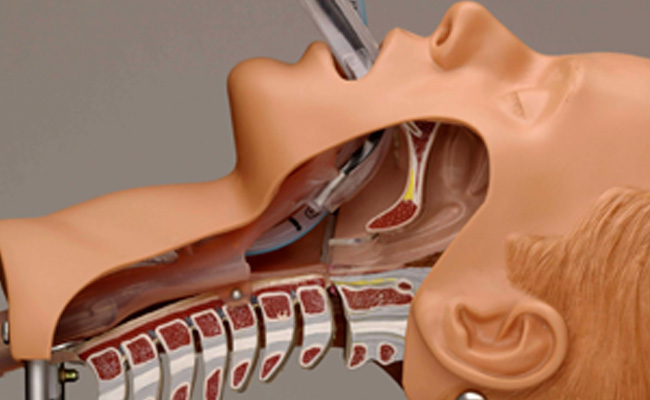
This course is a critical training program designed to equip healthcare professionals, particularly nurses, with the skills necessary to effectively manage and maintain open airways in patients in instances of emergency.
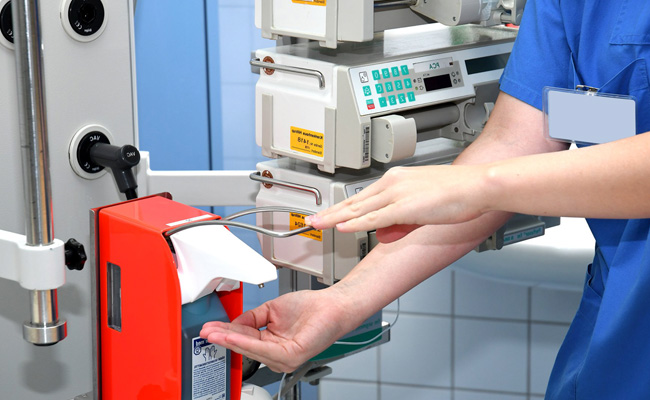
This course provides crucial training that equips healthcare professionals with the knowledge and practices to prevent and manage infections in healthcare settings by maintaining a safe and hygienic environment.
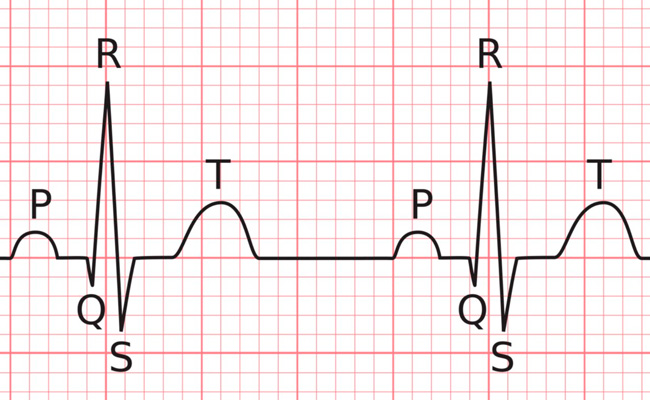
This course is a fundamental training that introduces healthcare professionals, including nurses, to the essential principles of interpreting and understanding the electrocardiogram tracings.
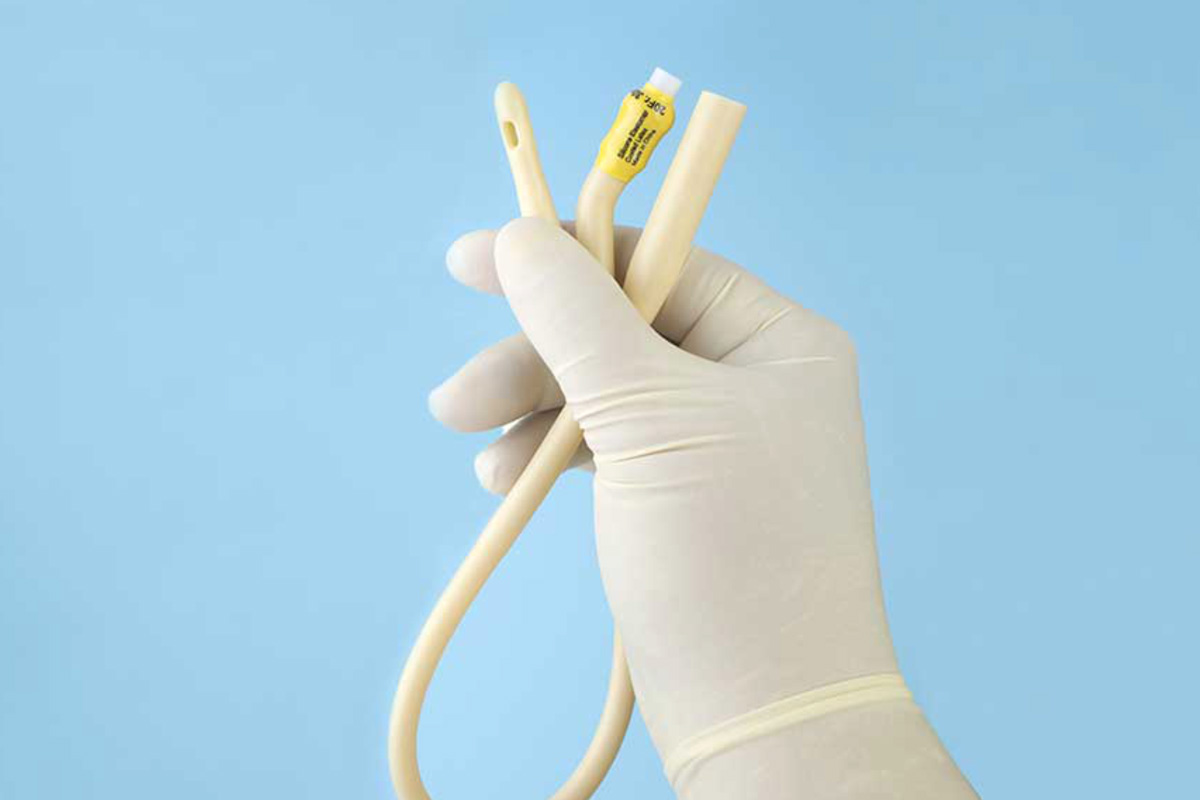
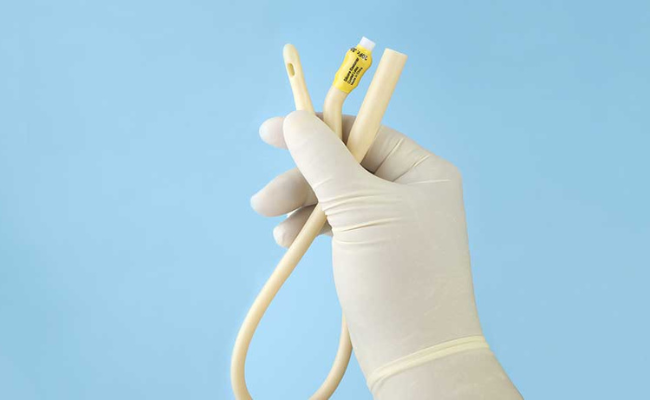
This course is a crucial to learn the skills required to perform urinary catheterization procedures safely and effectively. It focuses on using different types of urinary catheters, proper techniques for insertion, maintenance, and removal.
This course is a comprehensive training module designed to equip individuals with life-saving skills aimed to train healthcare professionals in the use of automated external defibrillator (AED) in the event of cardiac arrest.
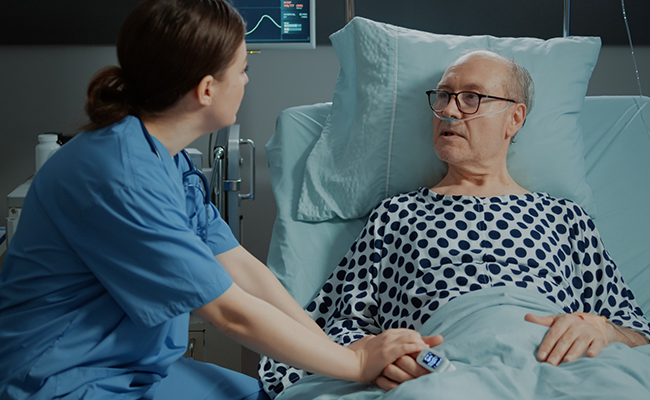
This course enhances the clinical judgment skills of nurses and contribute to a more accurate and holistic approach to patient care. They develop the ability to recognize signs of potential health issues to formulate appropriate care plans.
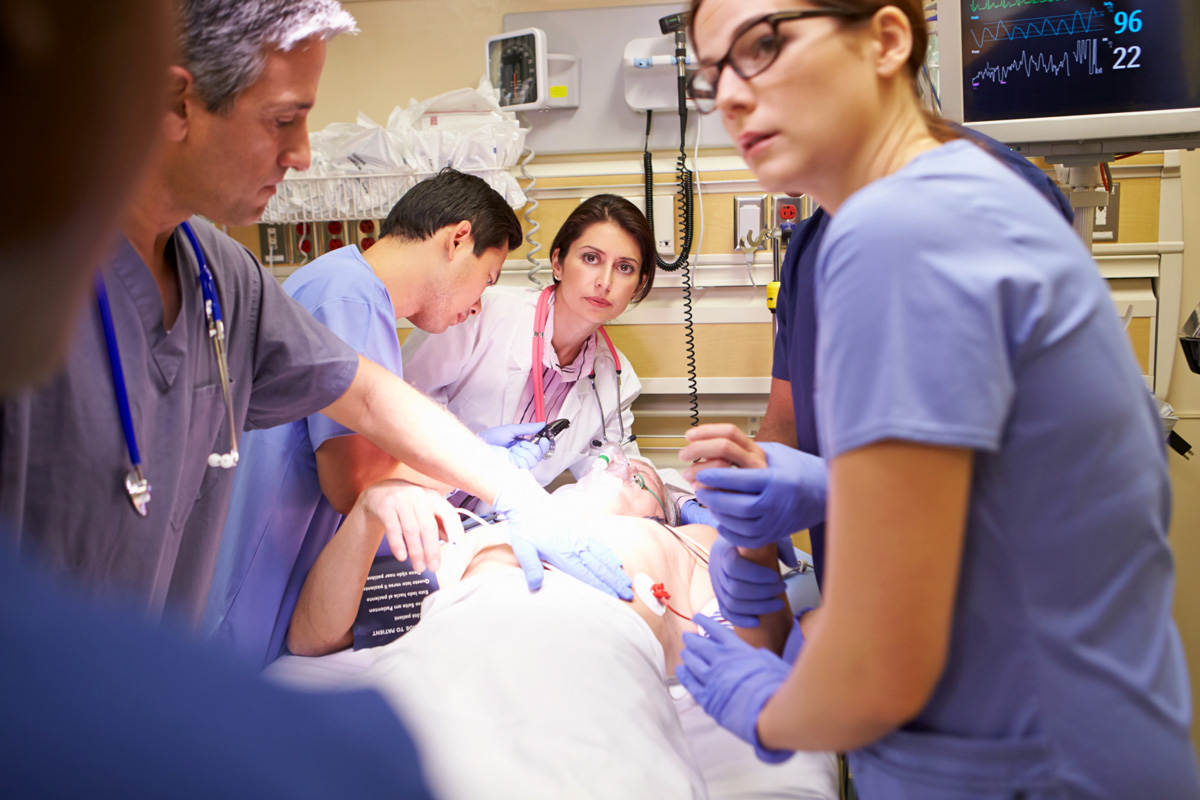
This course imparts practical skills needed to assess situations, provide immediate care, and stabilize patients in critical moments by preventing complications, and alleviate suffering.
This course helps the healthcare teams to learn to communicate efficiently, delegate tasks, and make quick, informed decisions while prioritizing patient well-being by collaborating seamlessly in high-pressure situations.
This course enhances the decision making of the healthcare professionals by honing their clinical decision-making skills, they become proficient at taking swift and appropriate actions to prevent further deterioration and improve patient outcomes.
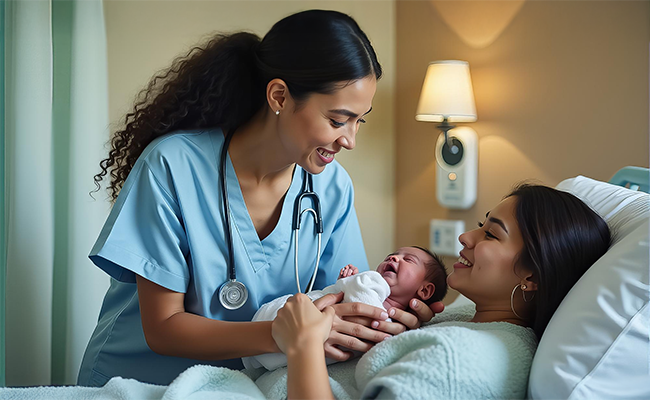
This course underscores the vital role midwives play in ensuring safe outcomes and promoting the well-being of both mothers and babies during critical moments of childbirth.
This course is a fundamental course with the essential knowledge and skills to conduct comprehensive health assessments. Participants shall learn the principles of physical examination, patient history-taking, and data interpretation.